Untrusted by Design, Proven by Testing: Inside Deep CDR™ Validation
AI is increasing the number of files moving through the enterprise, and it's getting harder to tell safe files from malicious ones. Deep CDR technology, trusted for classified networks and inter-agency file exchanges, doesn't need to tell them apart: it treats every file as untrusted, no matter who or what created it.
Join OPSWAT VP of Products George Prichici to see how Deep CDR technology is tested not just internally, but to the standards intelligence and defense agencies require, and how it's independently proven through penetration testing and specialized anti-malware testing labs, including AV-Comparatives' latest evaluation. You'll leave with a framework for holding any CDR vendor to the same standard.
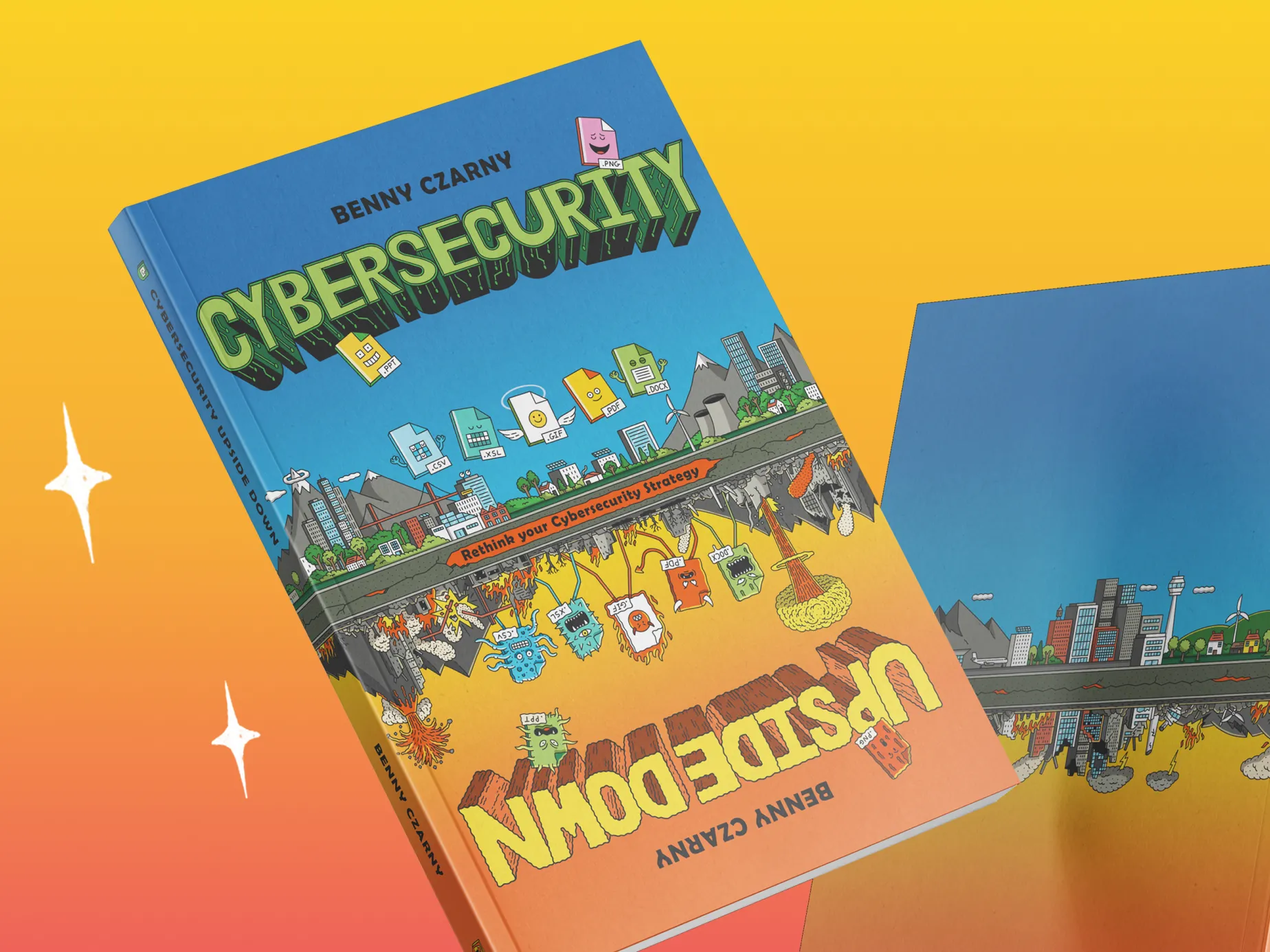
Olvassa el a módszer alapjául szolgáló könyvet
A „Cybersecurity Upside Down” című könyv, melyet Benny Czarny, az OPSWAT alapítója és vezérigazgatója írt, bemutatja azt a „megelőzés elsődleges” szemléletet, amelyre a Deep CDR™ technológia épül, és amelyet az AV-Comparatives függetlenül is igazolt. Kiváló bevezető a webináriumhoz.
Az AV-Comparatives megállapításai
Az AV-Comparatives függetlenül dolgozta ki a módszertant, végezte el az értékelést, és saját következtetéseire jutott. A tesztelés három területre terjedt ki: arra, hogy a Deep CDR™ technológia hogyan kezelte az élő támadási forgatókönyveket, hány fájltípust fedett le, valamint arra, hogy a helyreállított fájlok továbbra is használhatók maradtak-e. Íme egy áttekintés a webinárium témáiról.
A mai legkeményebb támadásokkal szemben tesztelve
From AI-assisted malicious content to macros, embedded executables, and nested archives, Deep CDR technology was evaluated across every major file-borne attack scenario, earning a 100% sanitization rate in AV-Comparatives' latest test. See how it held up in the webinar.
A vállalati fájltípusok teljes körű lefedése
Office documents, PDFs, images, archives, and the formats your teams exchange every day were all put through recursive sanitization, and the result held across every file type tested. The webinar breaks down the results.
Biztonság a fájl sértetlenségének megőrzése mellett
Removing threats is only half the job, the file still has to work. Reconstructed files stayed usable, preserving the layout, formatting, tables, formulas, and structure people rely on. The webinar details exactly what fidelity was retained and why.
Kiemelt előadó

George Prichici
George Prichici az OPSWAT termék alelnöke, az Application Security PLU vezetője. George több mint 15 éves technológiai tapasztalattal rendelkezik, mind termékmenedzsment, mind szoftverfejlesztői vezetői pozíciókban. Tanúsított felhőmegoldás-tervező, és érdeklődése és fókusza a kiberbiztonság, a felhőinfrastruktúra és a gépi tanulás felé irányul.
